If you’ve ever dealt with pain, stiffness, or an injury, chances are you’ve considered your options for hands-on treatment. That’s where the debate of manual therapy vs. massage comes into play. While both approaches involve touch and therapeutic manipulation, their goals, training requirements, and techniques differ significantly.
At North Austin Physical Therapy, we regularly incorporate manual therapy techniques (although not necessarily therapeutic massage) into our physical therapy services. Here’s what you need to know about both.
Understanding the Basics: How Manual Therapy and Massage Work
What Is Manual Therapy?
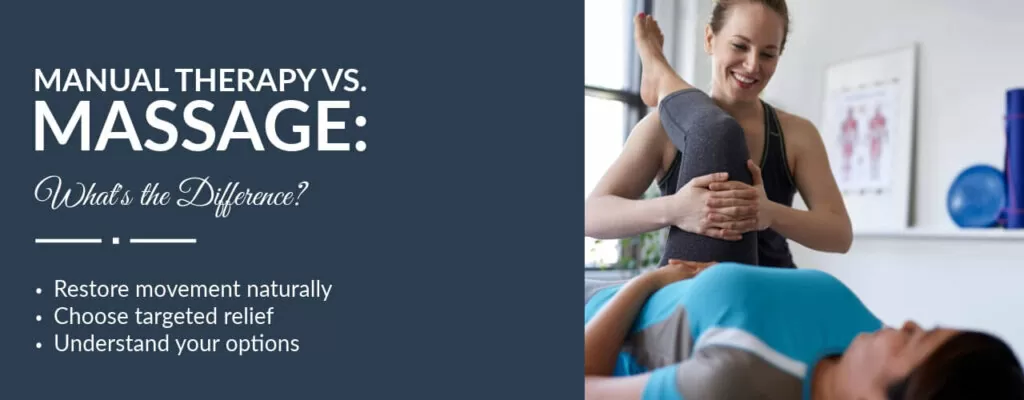
Manual therapy is one of the mainstays of physical therapy. This specialized treatment technique involves skilled hand movements and passive movements of joints and soft tissues to reduce pain, mobilize joints, and restore overall function. Common techniques include:
- Joint mobilization
- Soft tissue mobilization
- Myofascial release
- Passive stretching
What Is Massage Therapy?
Massage therapy also involves hands-on techniques to manipulate the body’s soft tissues (muscles, tendons, and ligaments). Unlike manual therapy, it is typically performed by a licensed massage therapist, not a PT, and focuses more on relaxation and general wellness, helping to reduce muscle tension and improve circulation.
Understanding the Differences Between Manual Therapy and Massage
Although both therapies share similar hands-on techniques, their intentions and outcomes are distinct. Here’s a quick overview of manual therapy vs. massage:
Treatment Goals
Manual Therapy
- Focuses on restoring function, reducing pain, and improving mobility after injury or surgery.
Massage
- Primarily targets stress relief and muscle relaxation.
Who Does It
Manual Therapy
- Performed by licensed physical therapists with advanced clinical education and certifications.
Massage
- Administered by licensed massage therapists with training in soft tissue techniques but not in diagnosing or treating musculoskeletal conditions.
How It’s Incorporated Into Treatment
Manual Therapy
- Integrated into a comprehensive physical therapy program alongside therapeutic exercise, lifestyle modifications, and other treatments
Massage
- Can be performed on its own or as part of a larger program
Condition It Can Address
Manual Therapy
- Joint dysfunction
- Muscle imbalance
- Post-surgical recovery
- Chronic pain conditions
Massage
- Stress management
- Muscle tightness
- General wellness
Two Patient Stories That Highlight the Difference
These stories can further help illustrate the distinction between manual therapy vs. massage:
A Runner’s Journey with Manual Therapy
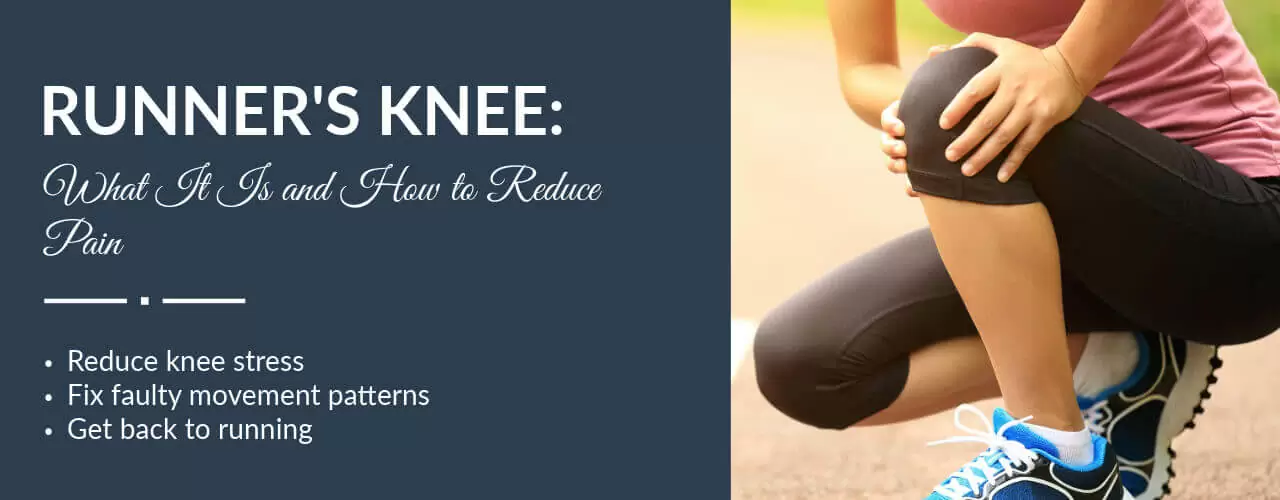
A runner in her late 30s developed severe knee pain after training for a half-marathon. One of the North Austin Physical Therapy diagnosed her with patellofemoral pain syndrome. Through manual therapy techniques like patellar mobilization and myofascial release — along with therapeutic exercises — she regained mobility and returned to running pain-free within eight weeks.
An Accountant’s Experience with Massage
An accountant in his mid-40s sought massage therapy for work-related stress and tension headaches. After regular sessions focused on neck and shoulder muscles, his stress levels decreased, and his headaches became less frequent. While massage helped him relax, it did not address the root cause of his chronic neck stiffness.
Ready to Feel Better? Let’s Get Started.
If you’re dealing with a specific injury, chronic pain, or functional limitation, manual therapy offers a more targeted and medically informed approach than massage. It’s designed not just to make you feel better temporarily but to restore long-term physical function.
At North Austin Physical Therapy, we tailor manual therapy techniques to your unique diagnosis. We use a whole-body approach, combining manual techniques with exercise and patient education to ensure optimal results.
Contact one of our Leander, TX, and Cedar Park, TX clinics today to schedule your personalized assessment and learn how manual therapy might benefit you!
Tags: wellness techniques, hands-on treatment, mobility restoration, pain relief options